
SEWERS
The historic sewers of Budapest, London, Moscow, New York, Paris, Rome, Tokyo and Vienna – engineering solutions, unusual details and an underground world that is still in use today.
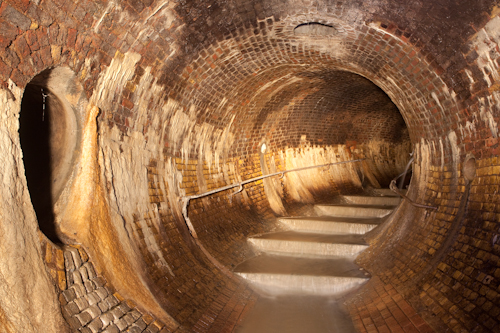

Eight cities.
Eight underground stories.
Cities are listed alphabetically. Click a city to open its detailed page.
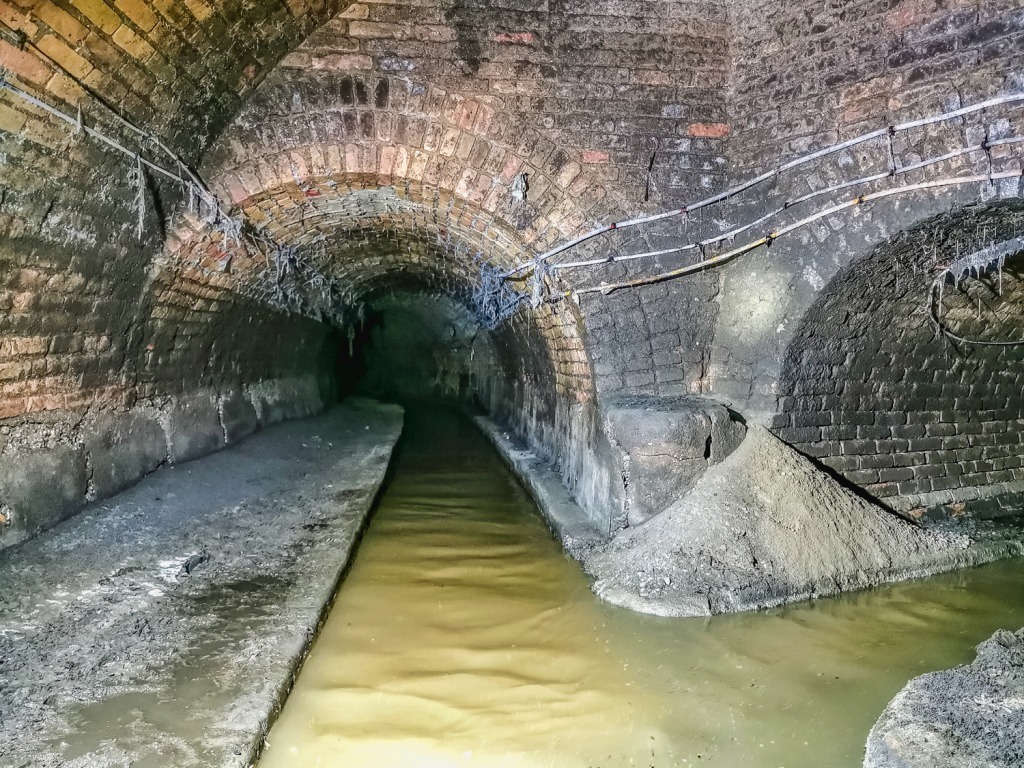
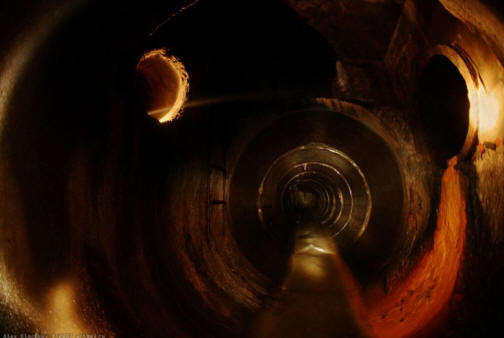
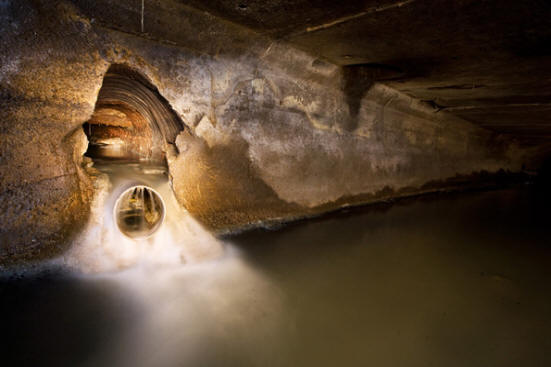
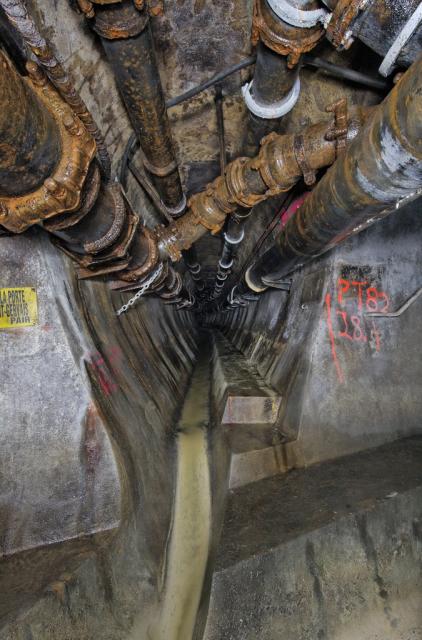
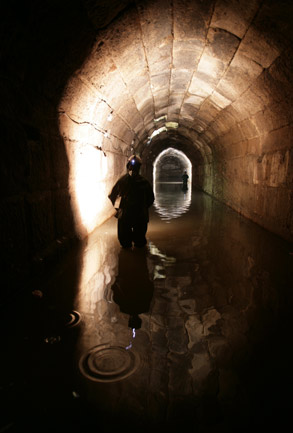
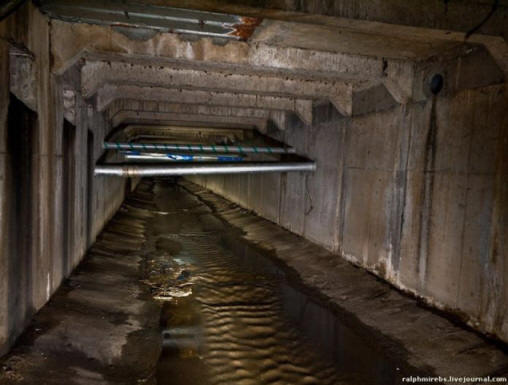
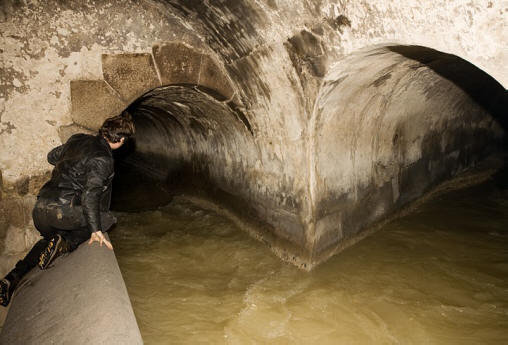
The history of underground infrastructure is as old as urbanisation itself.
Brief overview
Sewerage is not an invention of the modern age. The removal of wastewater and human waste has been a problem wherever towns and cities developed. In ancient settlements, wastewater drainage was already a matter of public health and engineering.
Systems for carrying away sewage and stormwater were built by ancient peoples, including the Greeks and Romans. Some of Athens’ sewers were cut into stone, while others were made from fired-clay pipes.
During the Roman Empire, Rome remained one of the world’s largest cities for centuries. As the city developed, more and more sewers were built, while the ruins of Pompeii show evidence of an interconnected sewer network and water-flushed latrines.
During the Middle Ages, the development of sewerage declined. In densely populated areas, surface water and groundwater became increasingly polluted and turned into focal points for epidemics.
The cholera epidemics of the 19th century and the recognition of the role of contaminated water brought a fundamental change. Major European cities began constructing modern sewer networks.
Most of the photographs in this album show sewers built in the 19th century, many of which are still in use today. They demonstrate that the engineers and builders of the past created remarkable works of engineering beneath the ground as well.