London beneath the surface
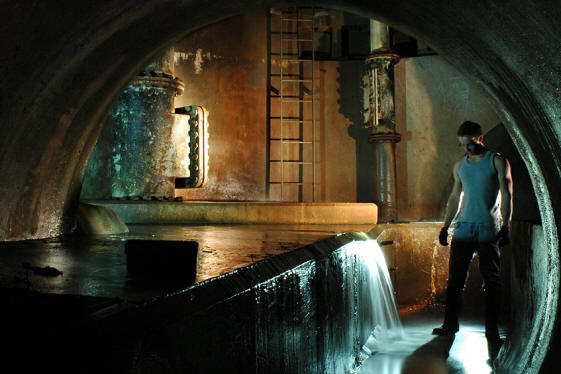
London was once crossed by numerous rivers, all of which flowed into the Thames. Today only a few remain visible at the surface. In the 19th century, explosive population growth turned these rivers into public-health hazards, and they were gradually covered over.
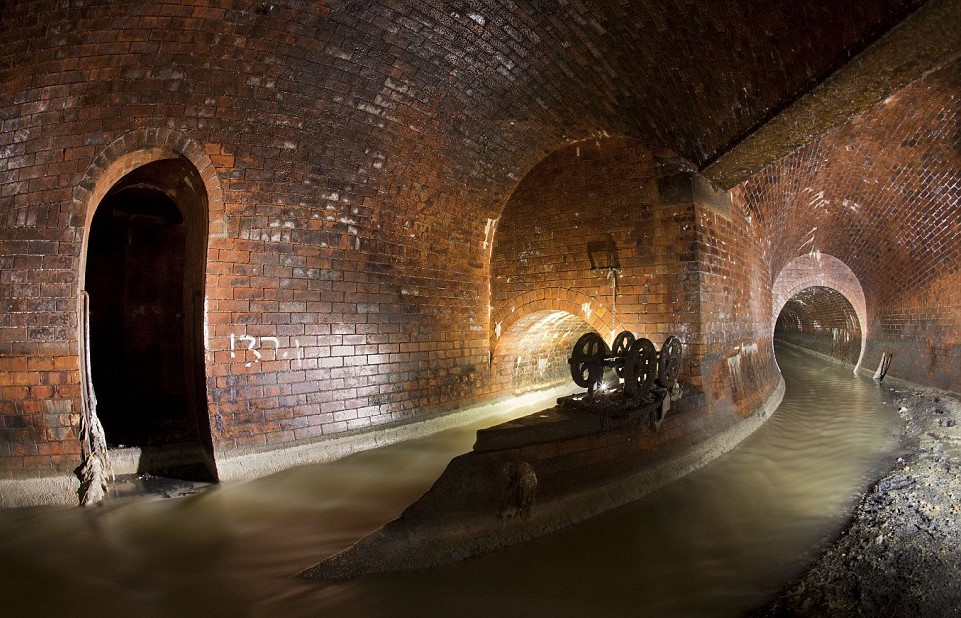
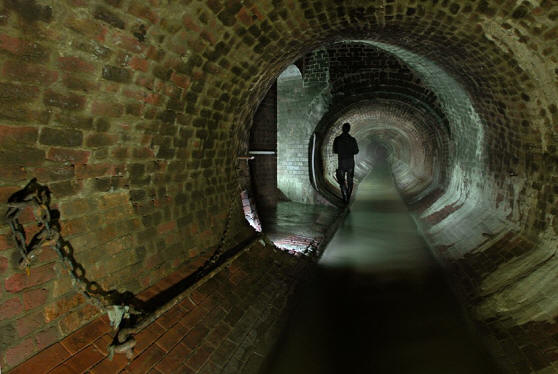
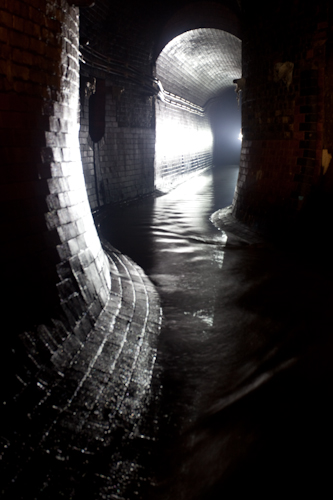
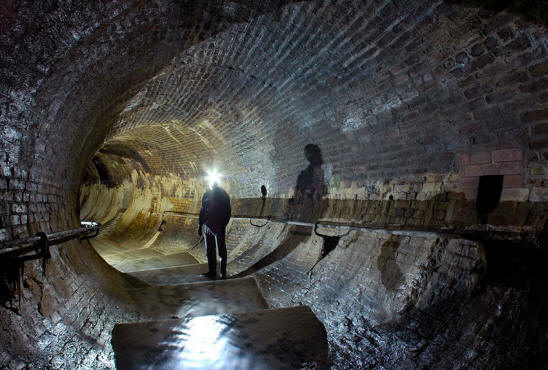
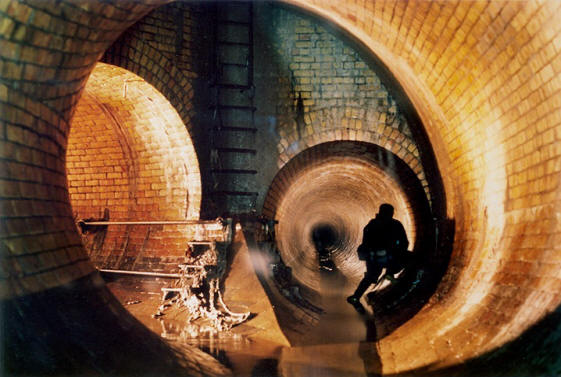
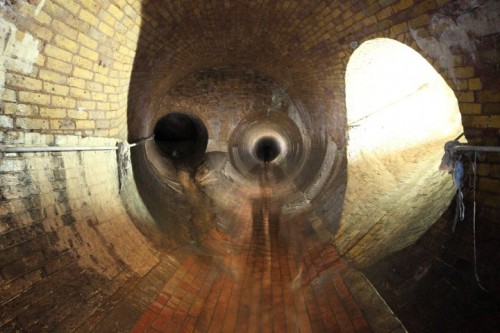
Under Joseph Bazalgette’s direction, 132 kilometres of interceptor sewers and 1,770 kilometres of street sewers were built between 1859 and 1868. That network still forms the core of London’s sewer system today.
Walbrook
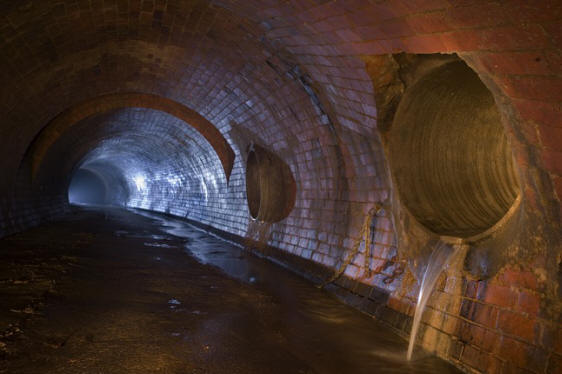
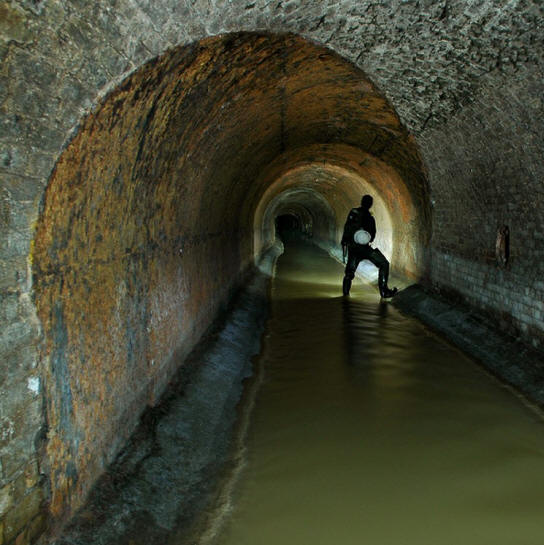
One of London’s oldest sewers still in operation. It is the remnant of the River Walbrook, which disappeared from the surface as early as the Roman period.
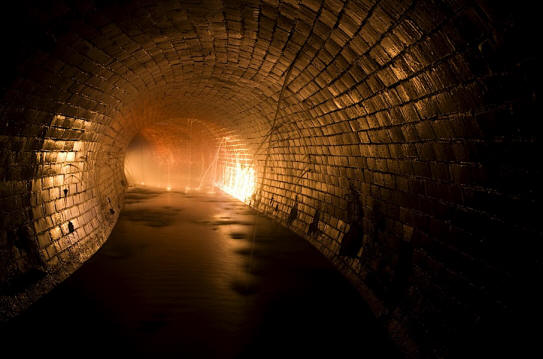
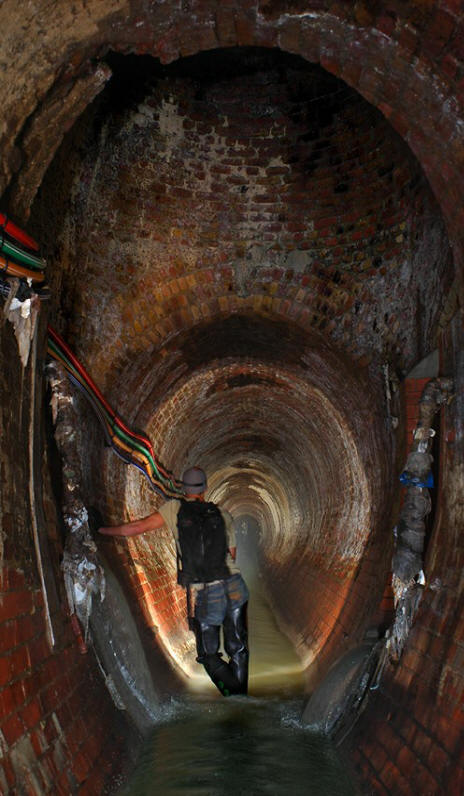
Fleet
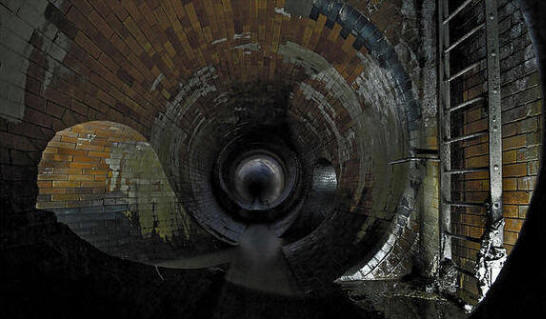
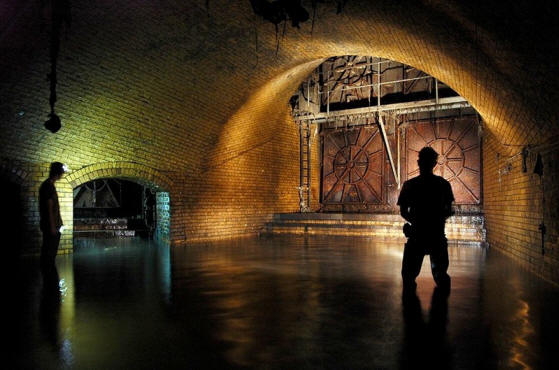
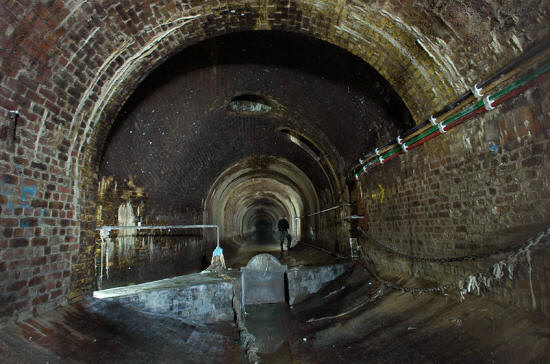
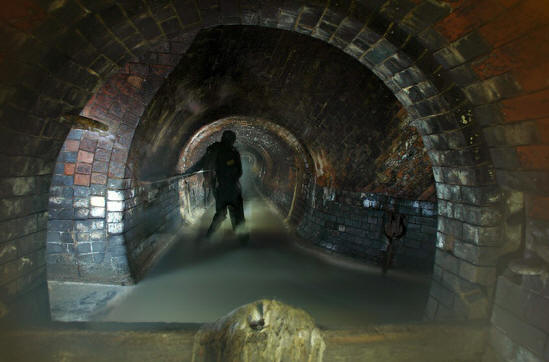
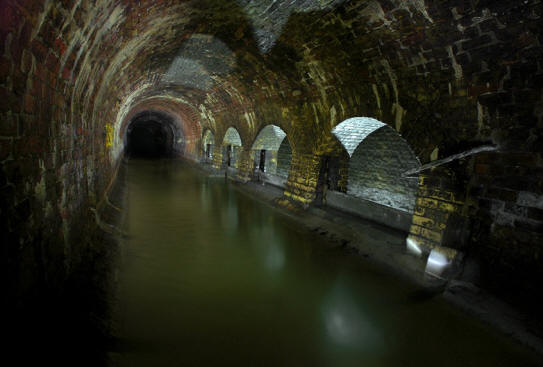
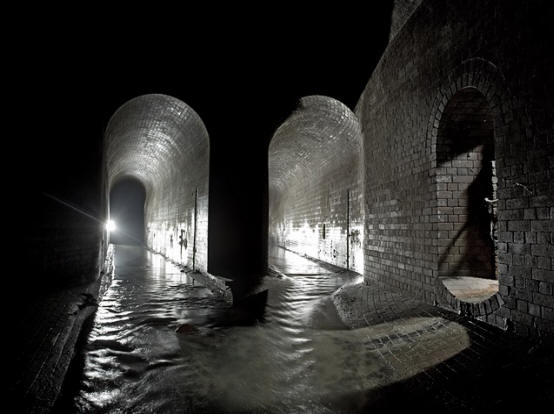
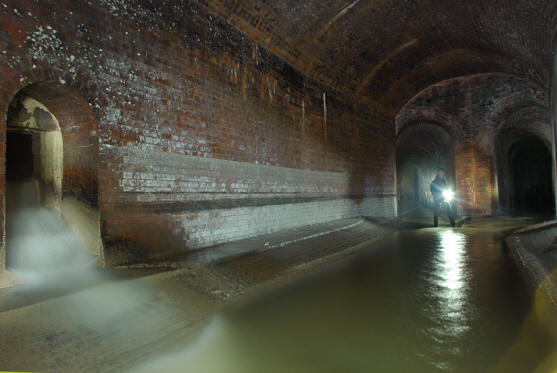
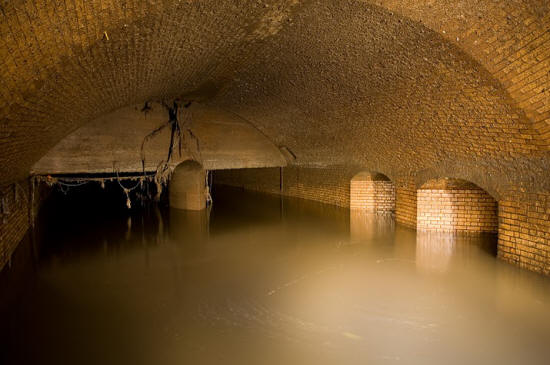
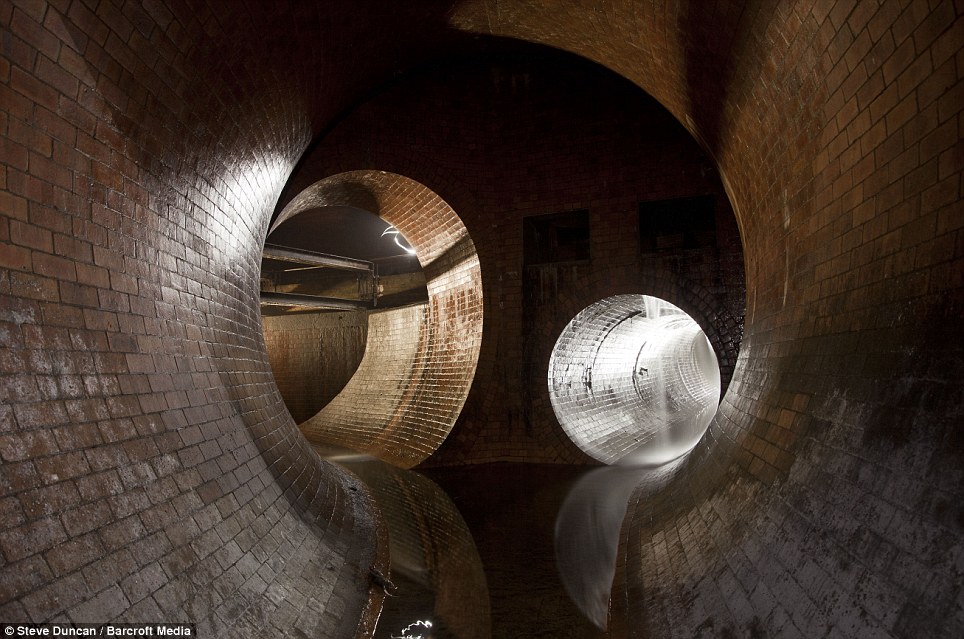
The River Fleet began to be progressively covered over from 1765. Near St Paul’s Cathedral it divides into two brick tunnels, each 3.65 metres high.
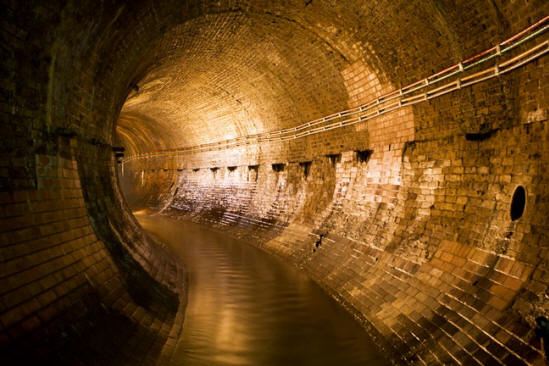
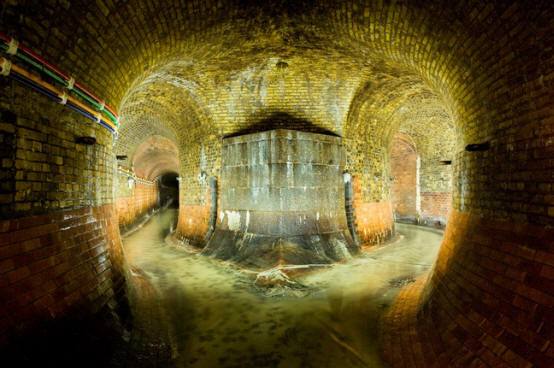

Westbourne
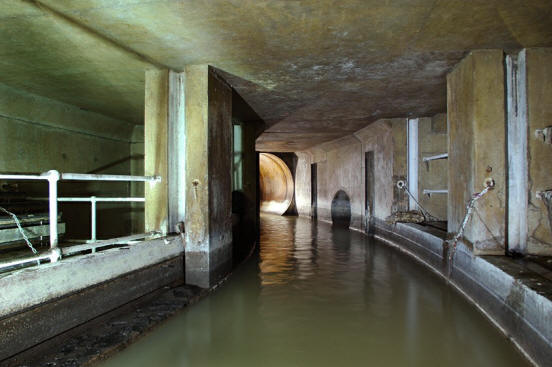
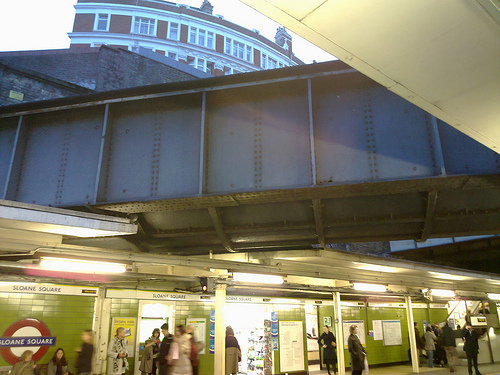
The River Westbourne was covered over between 1834 and 1856. At Sloane Square Underground station it still crosses above the railway in an unusual piece of engineering.
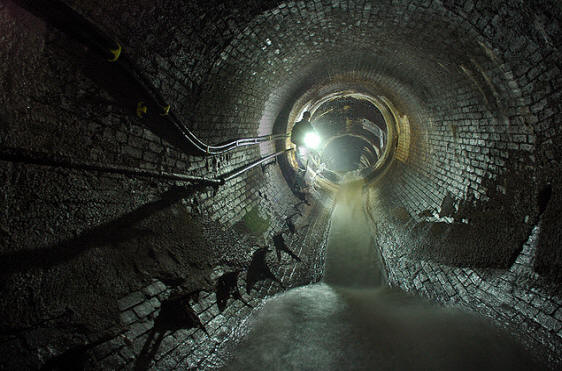
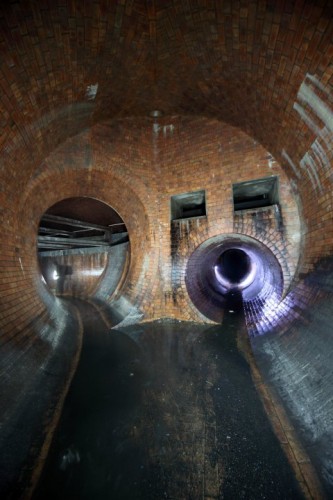
Tyburn
Sections of the Tyburn run beneath Buckingham Palace. Much of the river was covered over during the 19th century.
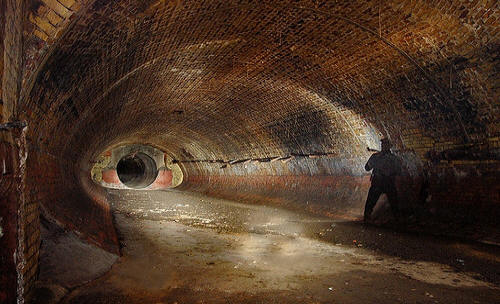
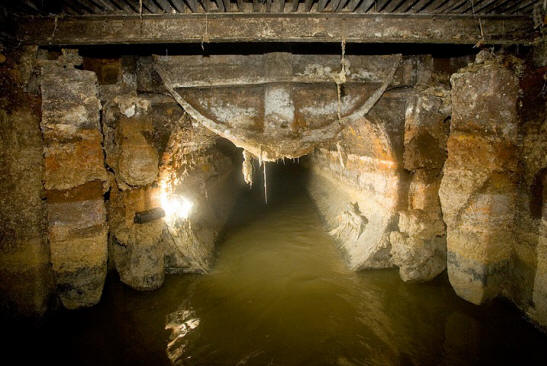
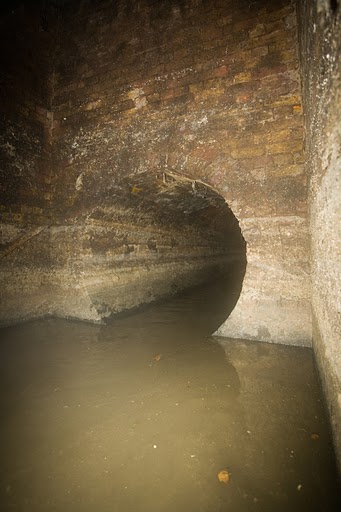
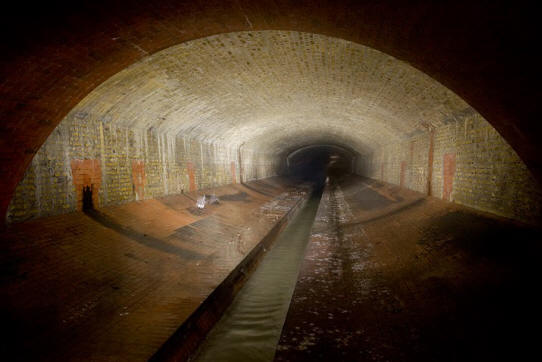
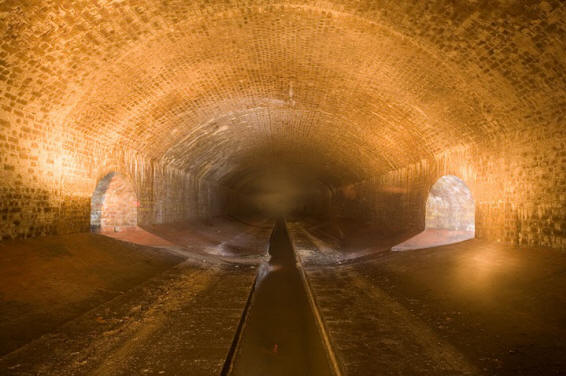
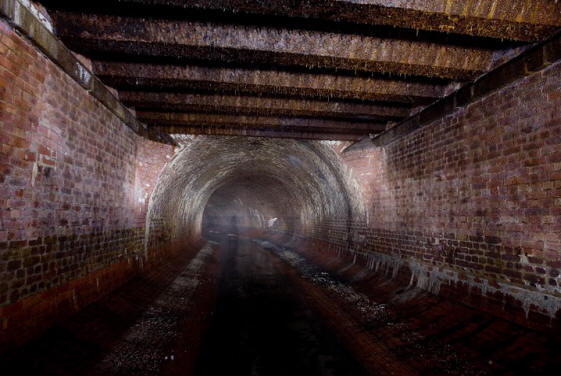
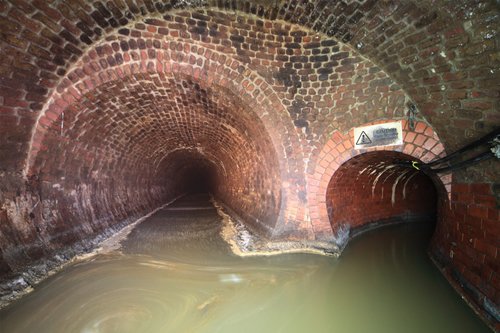
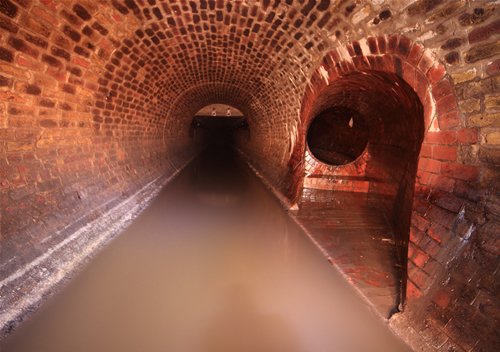
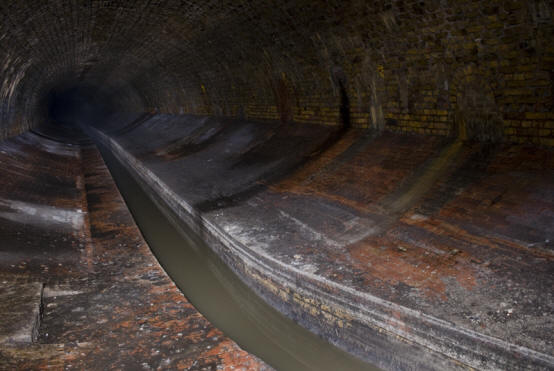
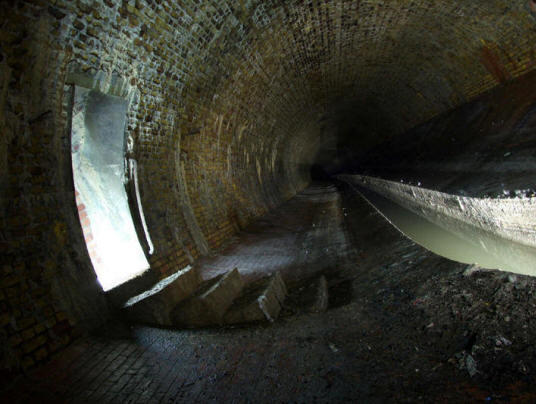
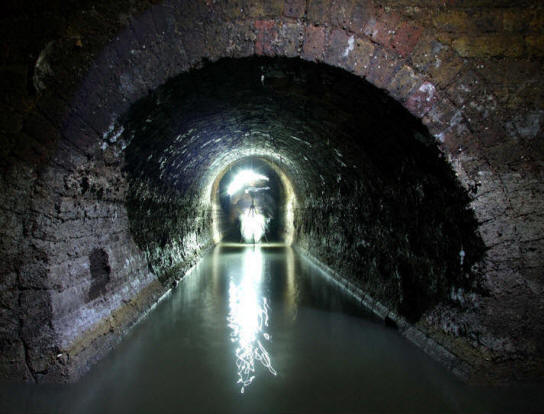
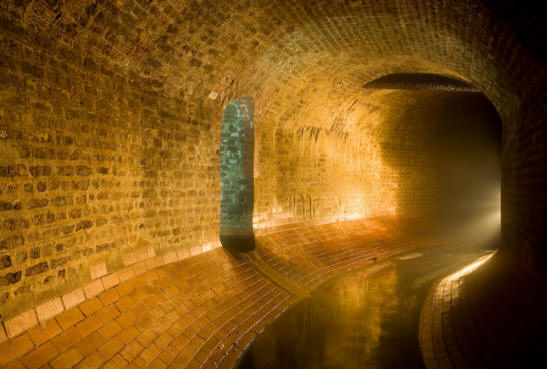
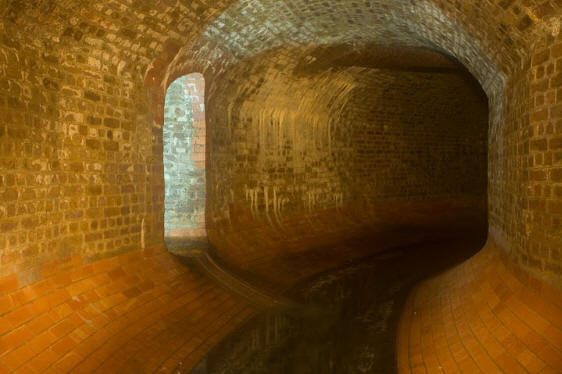
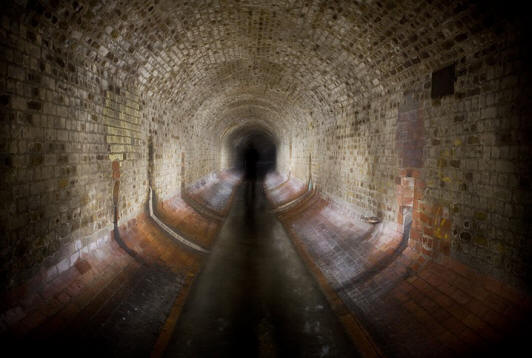
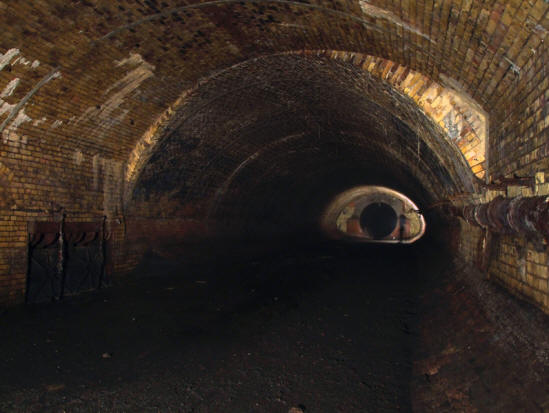
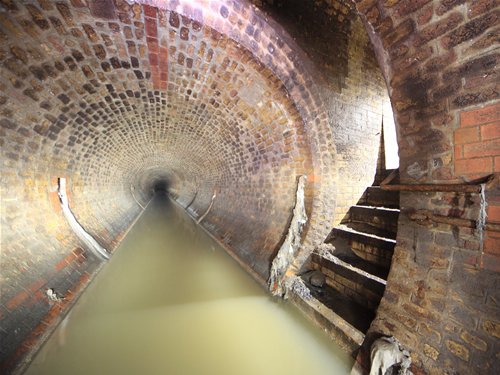
Other sewers
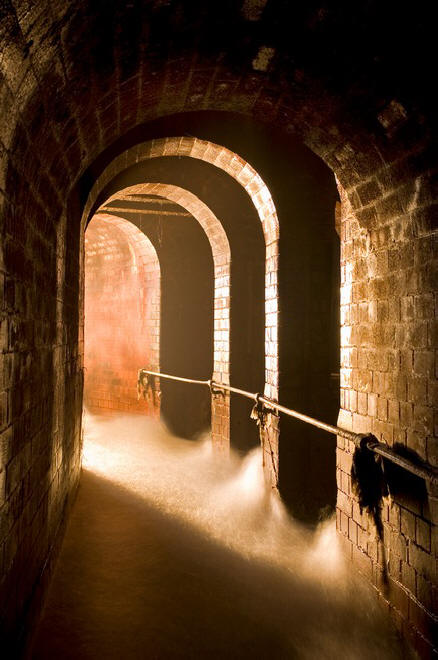
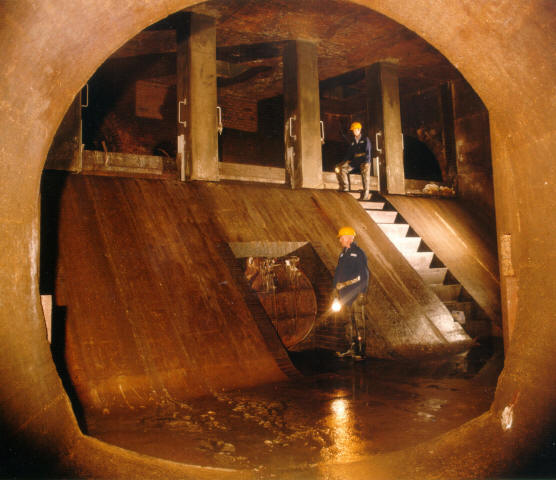
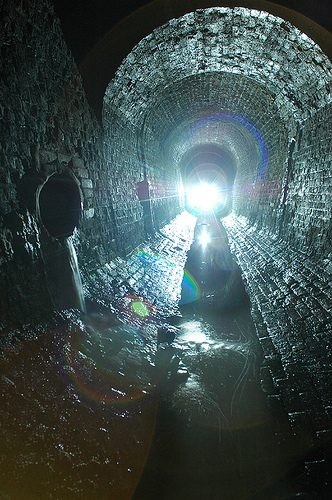
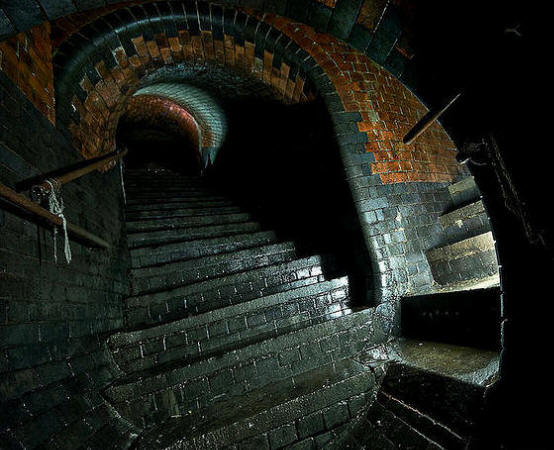
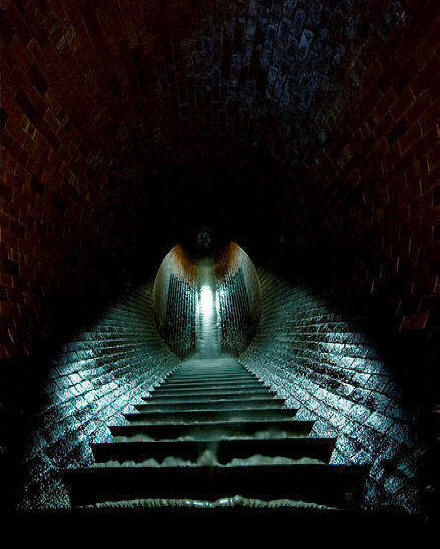
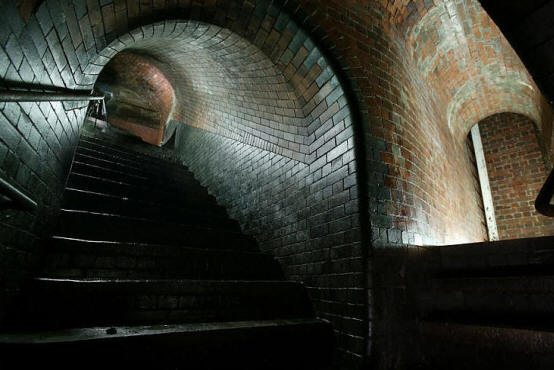
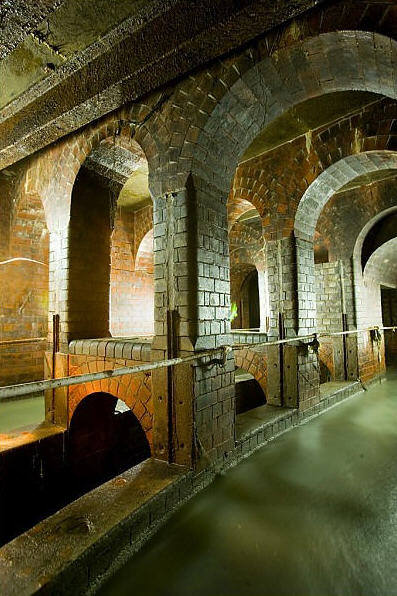
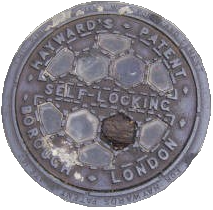
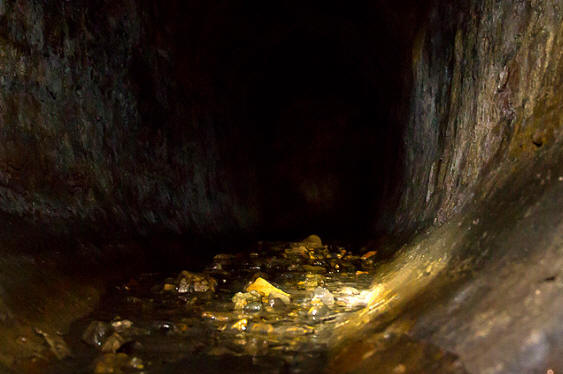
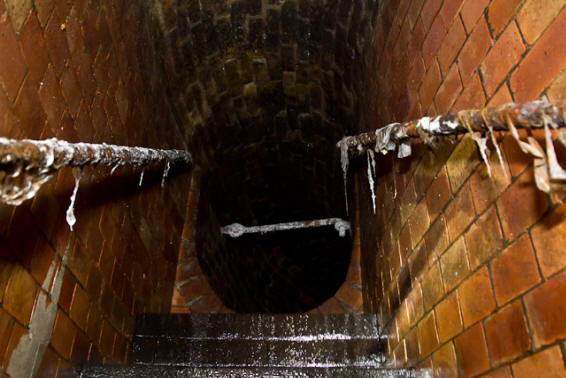
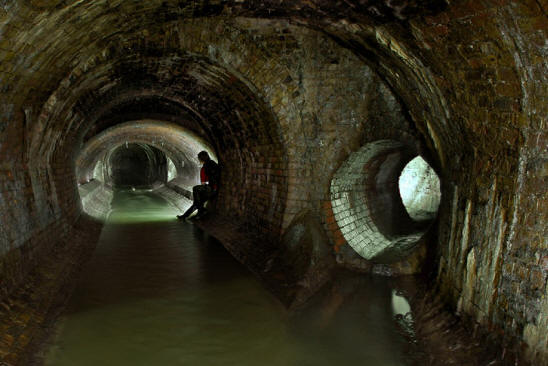
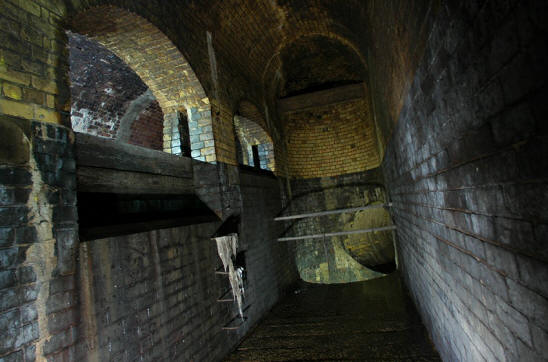
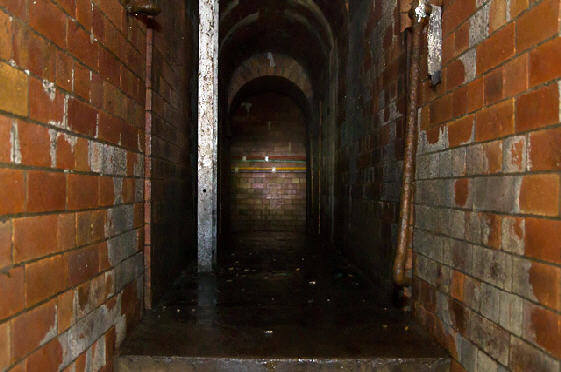
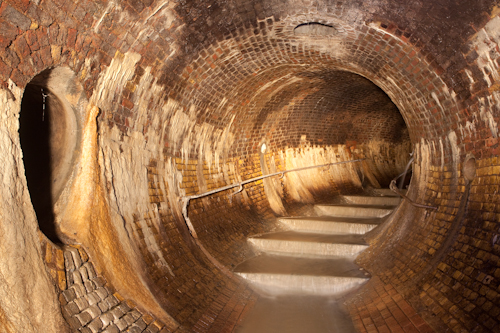
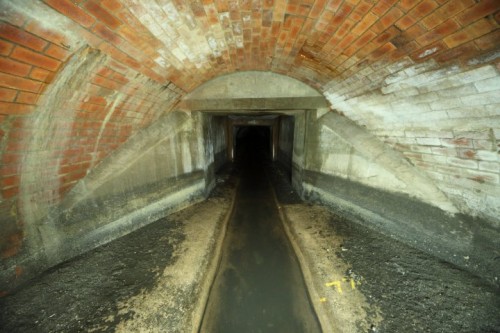
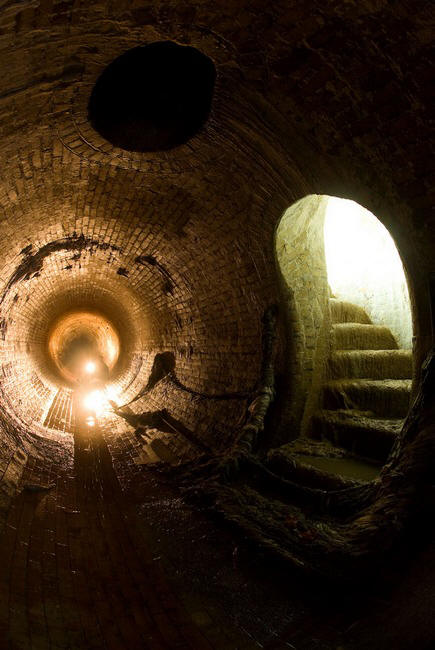
Victorian and later sewer sections from different parts of London.